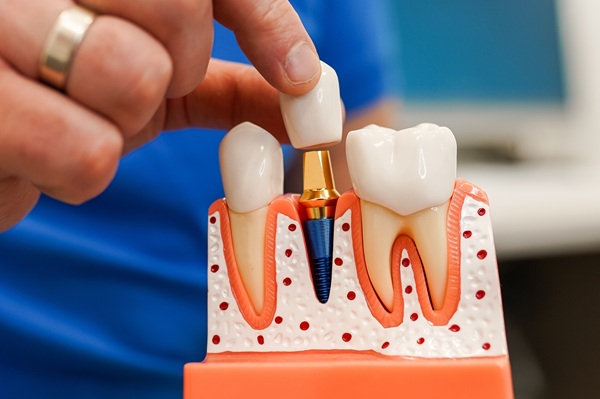
Dental implants can replace teeth in a more permanent way than traditional bridges and dentures. This is because they are placed directly into the jawbone, supporting tooth replacements that work and feel like real teeth. The visible part of this tooth replacement will also be made to look beautiful and natural. If you are interested in dental implants, learning the steps behind them can help you make a choice that fits your lifestyle and smile goals.
What dental implants are, and why they feel more stable
A dental implant is a small post, typically made of titanium or a titanium alloy, that is placed into the jawbone to act as a replacement for a missing tooth root. Because these materials are biocompatible, the bone eventually grows around the post to form a strong foundation for a crown, bridge, or denture. Unlike removable options that rest on top of the gums, implant-supported restorations are anchored into the jaw, which is why they feel more like natural teeth during daily use.
Dental implants also support the health of a jawbone. When a tooth is lost, the underlying bone in that area stops getting the regular stimulation it needs to stay strong. This leaves it prone to shrinking. However, because the implant fuses with the bone, it keeps it stimulated and strong. In addition, it helps keep any remaining natural teeth in place and preserves the natural shape of the face.
The step-by-step process behind dental implants
A general dentistry team replaces teeth with dental implants in stages. Exact times may vary, especially since healing is a major part of the process. That said, there is a step-by-step process that every patient can expect. Explore this process below.
Step 1: Consultation
The dental implant process starts with a consultation for imaging and planning. More specifically, imaging is used to assess bone density, nerve pathways, and sinus location to see if the patient is a good candidate for implants. Gum health, bite alignment, and the condition of nearby teeth will be evaluated, as well.
During this appointment, the dentist will also help the patient select which type of visible restoration they may need. A single missing tooth often uses one implant crown, while multiple missing teeth may be addressed with an implant-supported bridge. Alternatively, an implant-supported denture can replace a full arch of teeth, with better stability than traditional dentures.
Step 2: Preparatory procedures, as needed
Sometimes, a patient is not a good candidate for dental implants right off the bat; they may need to address oral health problems or bone concerns to qualify. For example, the damaged tooth that needs to be replaced may still be in the mouth. The dentist will need to extract it before the implant process can begin. In some cases, a dentist can insert the implant on the same day the tooth is pulled. However, if an infection is present or the bone quality is insufficient, the site may need several months to heal first.
Bone grafting is another common preparatory step for patients who have been missing teeth for a long time or have naturally thin jawbones. It involves placing a small amount of grafting material into the area to encourage the body to build new, healthy bone. While this adds time to the process, it is a necessary step in creating a predictable environment for the implants to thrive.
Step 3: Implant placement
A general dentistry team typically places dental implants with local anesthesia. (Additional pain management options may be available depending on the case and patient preference.) The team places the implant into the jawbone in a carefully planned position. Next, they close the gums over the implant or place a healing cap. Many patients describe the procedure as manageable, with soreness afterward similar to a tooth extraction.
Step 4: Recovery
After the placement procedure, the implant needs time to fuse with the jawbone in a process called osseointegration. This healing period often takes three to six months. Timing varies based on bone quality and whether grafting was performed. Thankfully, the general dentistry team will place a temporary tooth, bridge, or denture so that the patient can still eat and talk with confidence during recovery.
Step 5: Placing abutments
Once the implant is fully integrated, the dental team can attach the abutment. This small connector piece sits just above the gumline and serves as the anchor for the final restoration. Next, the team takes digital scans, which a dental lab uses to fabricate a restoration in the desired shade, shape, and size.
Step 6: The final restoration
The patient will return for one more appointment to have the final restoration placed. The dentist will take care to adjust it so that it feels comfortable and looks natural.
Get more information today
Dental implants replace missing teeth through a step-by-step process. The first step is a consultation appointment. Want to schedule yours? Contact us at Lalangas Family Dentistry today.
Request an appointment here: https://cosmeticdentistdallastx.com or call Lalangas Family Dentistry at (972) 534-6008 for an appointment in our Dallas office.
Check out what others are saying about our dental services on Yelp: Dental Implants in Dallas, TX.
Related Posts
Dental implants offer more than just cosmetic benefits. They restore oral function, improving speech and chewing efficiency while preserving jawbone structure. These long-lasting solutions provide stability and durability, making them a preferred choice for patients who want to replace one or more missing teeth.Missing teeth can impact speech clarity. Gaps between the teeth may lead…
Dental implants restore smiles while improving oral health and confidence. Unlike other options, they feel and function like natural teeth. They provide long-term benefits that make eating, speaking, and smiling easier. Their ability to restore all aspects of the smile makes them a leading tooth replacement option.Dental implants can replace one, several, or all of…
Dental implants can transform a smile by offering a stable, long-term way to replace missing teeth without sacrificing appearance or function. If you have been searching for a natural and reliable solution, it may be time to speak with a general dentist about implant therapy. A dentist can verify whether you are an ideal candidate…
Dental implants can provide a long-lasting solution for tooth loss. Many people choose this option because it looks and feels natural. Understanding the purpose of dental implants and how they work is key to helping you decide if dental implants are right for you.Dental implants are small titanium posts placed into the jawbone to replace…