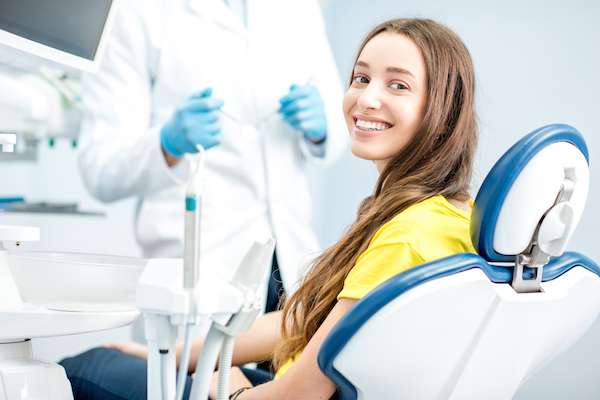
It is a known fact that routine dental cleaning is an important part of oral health. The American Dental Association recommends that people with an overall healthy mouth visit a dentist for a regular checkup and cleaning once every six months. Those with specific dental issues or certain underlying health conditions may need to schedule appointments with more frequency, based on a professional treatment plan. No matter how often an individual undergoes a regular cleaning, there are many advantages to be enjoyed, both immediately and long term.
The benefits of a routine dental cleaning
When a dental professional uses specific tools and techniques to clean teeth and gums, the results are often beneficial to the patient's oral and overall health. This is also due to the visual inspections that occur during these cleanings.
Improved appearance
When visiting the office for a checkup, a dentist, hygienist or dental assistant will often begin by scaling the teeth. During this process, metal instruments are used to remove plaque and tartar buildup from the surfaces of the teeth. After scaling, the teeth are polished with a high-grit paste or spray designed to clean deeply and remove surface buildup and staining. The result is a better overall appearance, including fewer stains and tighter gum tissues.
Healthier, stronger teeth and gums
Tartar and plaque removal is not just important for aesthetic improvement. Clearing away this buildup is a critical step in preventing the development of gum disease and tooth decay. Some individuals are genetically predisposed to these issues while others may be more at risk from preexisting conditions or lifestyle habits. For these patients, delaying dental cleaning by just a month or two could allow complications to develop. However, staying on schedule strengthens teeth and gums, removes buildup and helps patients avoid more issues that may require treatment.
Disease prevention
There is a strong connection between oral health and overall wellness. Those with certain dental issues have an increased risk of developing serious medical problems:
- Cardiovascular disease
- Diabetes
- Dementia
- Certain cancers
- Pregnancy complications
- Arthritis
However, patients who schedule routine checkups and maintain proper hygiene practices can decrease these risks.
Check out what others are saying about our dental services on Yelp: Dental Cleaning and Examinations in Dallas, TX.
Early detection of serious issues
A key component of routine cleaning is the examination that accompanies it. During this process, a dental professional can check for signs of developing conditions, such as gum recession or enamel erosion. This is especially important when checking for signs of oral cancer since early detection is key for a successful outcome.
Protection from additional dental work
Individuals who visit the dentist on a regular basis can actually end up preventing unnecessary treatments in the future. Some of the most common dental procedures can often be avoided by proper routine care. From fillings and crowns to root canals and even surgery, many situations may not develop if preventative efforts are practiced.
Conclusion
When maintaining proper oral health, regular dental cleaning should be scheduled at least once every six months. This helps improve the health and appearance of the patient's smile while the cleaning, early detection and treatment may prevent future complications.
Request an appointment or call Lalangas Family Dentistry at 972-534-6008 for an appointment in our Dallas office.
Related Posts
If you are overdue for a deep teeth cleaning or have periodontal disease, you may benefit from an in-depth dental cleaning. Officially known as root scaling and planing, deep cleanings are a more extensive form of deep teeth cleaning. It involves removing tartar and plaque from gum pockets and teeth roots. Dental cleanings serve mainly…
Finding a new general dentist can take time, especially without a clear idea of what to look for in a provider. The right dentist offers high-quality services suited to patients of all ages, but several factors can influence the decision. Exploring the qualities other patients prioritize when choosing a general dentist may help you in…
A laser dentist offers a modern approach to treating gum disease, using advanced technology that reduces discomfort, speeds up healing, and improves patient outcomes. Early detection and gentle treatment make a significant difference in the first stages of periodontal care. Laser dentistry allows for precise, minimally invasive care that preserves healthy tissue and enhances long-term…