What Are Full Mouth Dental Implants?
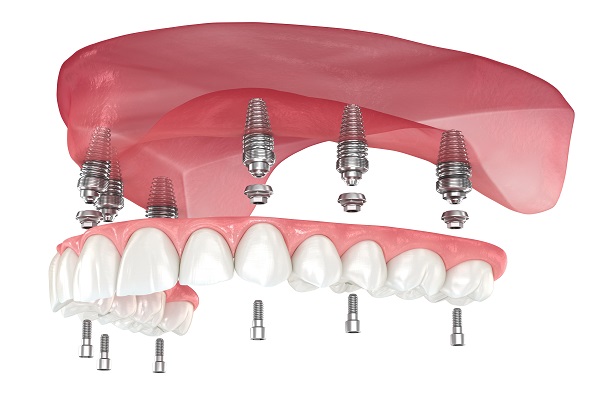
Dental implants have always been the most stable restorations you could ever have. They are a level higher than traditional dentures or fixed bridges. Each implant mimics the basic structures of a natural tooth. It is stable on its own. Imagine what it would be like to have them replace your dental arches. If you want to know what full-mouth dental implants are, here are the details.
Preserve remaining teeth
Other dental restorations will need to depend on natural teeth for support. This could cause damage to the natural dentition. The damage then weakens the natural teeth. Full-mouth dental implants can still keep the remaining natural teeth intact. The fixed position of these restorations stops the neighboring natural teeth from shifting. These implants support themselves and do not depend on neighboring natural teeth for support.
Prevents bone loss
Dental roots anchor to the jawbone. Tooth loss removes the dental roots. This deprives the jawbone of the needed stimulation. The body then stops sending valuable nutrients for tissue repair and cell growth. This results in bone loss.
Sagging cheeks and sunken mouth result from jawbone loss. This develops wrinkles. The individual then looks much older. Full-mouth dental implants have artificial dental roots in the form of titanium rods.
The dentist places the rods in the drilled implant holes. The prosthetic roots stimulate the jawbone, which starts to thicken again. The body continues to send nutrients to the jawbone. This strengthens and stabilizes the titanium rods even more. The facial structures lift and make the individual look younger again.
Need minimal maintenance yet last a long time
Traditional dentures use the neighboring natural teeth for anchorage and stability. They need regular brushing and overnight soaking. This can be a tedious routine for many busy people. Removing dental replacements can also result in loss or breakage. This will not happen with full-mouth dental implants.
These implants depend on the surrounding gum and bone tissues for support. These organic structures grow around the titanium rods. The implants become part of the dental structure. They do not need replacements or repairs. Good oral hygiene is enough to keep these restorations in top form. Routine dental checks can also help make them last for up to 30 years.
Give more strength and stability
Full-mouth dental implants look and feel like natural teeth. The attachment of these restorations to the jawbone and gums makes them strong and stable. These implants can withstand huge amounts of pressure. Having them in the mouth makes each bite stronger. Each chew feels natural as well. These dental replacements allow the individual to eat even the most challenging foods.
Proper maintenance
Practicing good daily dental hygiene can help keep these dental implants in top shape. Correct flossing and brushing can make this possible. Porcelain dental crowns may be durable, but these restorations can still suffer from cracks and chips. Staying away from hard foods can prevent damage to the prosthetics. Crossing out hard candies and refraining from chewing ice can help keep these implants intact for decades.
Using a soft-bristled toothbrush can prevent abrasions on the dental crowns during cleaning. Brushing at least two times a day can remove food particles and plaque. These thin bristles can reach difficult areas. Cleaning the crevices can prevent the sticky plaque from staying on them for a long time. This will prevent the formation of hard dental calculus.
Gum stimulators can help tissue regeneration. These devices strengthen the gum tissue by increasing the amount of oxygenated blood flow to the jawbone and gum tissues. Massages can help improve the health of gum tissue. These massages reduce inflammation and bleeding.
Using water flossers or oral irrigators can help decrease the buildup of plaque around the implants. These devices have different tips to assist the patient in cleaning the implants. Avoiding abrasive dental products can keep the dental prosthetics and surrounding gums free from scratches.
Setting routine dental appointments every three to six months allows the dentist to check how the implants are doing. This is also a chance for the dentist to clean around the implants. A dental X-ray can help review what is happening in the jawbone and gum tissue. The dentist will take this opportunity to make adjustments if the implants need it.
Full-mouth dental implants can improve your dental and general health
Proper dental replacements can enhance every aspect of daily living. These restorations can help you chew, speak, and even smile with ease. Full-mouth dental implants can provide you with the stability and security you need in dental restorations. Your dentist can determine if you are a good candidate for this type of dental replacement.
Are you considering getting dental implants in the Dallas area? Get more information at https://cosmeticdentistdallastx.com.
Check out what others are saying about our dental services on Yelp: Dental Implants in Dallas, TX.
Related Posts
Dental implants provide a durable and long-lasting solution for missing teeth, but like natural teeth, they can be damaged under certain circumstances. Trauma, excessive pressure, or complications with the surrounding structures may compromise the integrity of an implant. Understanding what to do in the event of damage can help prevent further issues and protect oral…
Dental implants provide a long-term solution for those missing teeth, improving oral health and function. However, patients should learn as much as possible before the procedure to ensure the most effective treatment outcome. Asking the right questions during a consultation can help you make informed decisions about your oral health. Here are five essential questions…
Dental implants can permanently replace teeth and maintain a natural appearance. Unlike traditional dentures or bridges, implants integrate with the jawbone, offering stability, functionality, and longevity. However, proper care is needed to ensure their success and prevent complications. Following the best practices for implant care can help maintain oral health and extend the restoration's lifespan.Dental…
Dental implants provide a long-term solution for individuals who have lost one or more teeth due to injury, decay, or periodontal disease. These implants act as artificial tooth roots, offering stability and durability similar to natural teeth. In recent years, dental implants have become a preferred option for tooth replacement because they preserve the jawbone…